I am delighted to share another beautiful submission to the Monk in the World guest post series from the community. Read on for Natalie Gould’s reflection A Wooden Cross from Assisi.
In October 2000, I traveled to Assisi, Italy. During a two-and-a-half-mile walk through the nearby forest to Eremo Delle Carceri (Hermitage of the Prisons), I felt God’s presence vividly. I had an undisturbed awareness of each step and breath I took. Trees, stones, and a twirling leaf in a spider’s web drew me in, calming the turbulence in my mind.
I had recently completed a six-month volunteer position at the Camas Centre on the Isle of Mull in Scotland. I struggled to make sense of how to move forward after this transformative time of community living.
As I wrote in my journal the night of my hike, “It is my first sense of real peace since Camas. This stillness enfolds me and I return there, not in place but in wholeness of spirit.” I wrote how the spirituality I had found on the Isles of Mull and Iona made sense. “It is incorporated into theatre and story, poetry and ecology, simplicity and beauty. St. Francis joins my spirit and I feel the warmth of God.”
The immediate sensation left me, yet the encounter made a lasting impression. I came away with the consolation that God was with me. I left the woods outside of Assisi with greater trust to let my life unfold.
As I established my life—developed a more standard career, enjoyed the security of a good-paying job—practicality and pride eroded the raw and simple trust of a twenty-four-year-old with only a couple hundred dollars and a few boxes of possessions to her name. I might have still said I trusted God, but I had grown comfortable in an illusion that I was able to control my circumstances, direct all aspects of my life, and prevent unwanted outcomes.
As the years passed, I rarely spoke of my hike in Assisi to others. Even remembering it brought a little internal embarrassment. What happened in those woods? Did I let my youthful sensibilities sweep me away into romantic notions?
My connection to nature, however, didn’t change over the years. In 2013, I bought a farm in Sonoma County, California, setting out to build my own kind of hermitage with the trees of my orchard and my flock of chickens as companions.
Then, during another October seventeen years after my time in Assisi, my relationship with forests and nature, that which had comforted and soothed me, shifted in one night. I woke around 1:45 a.m. the warm night of October 9, 2017, to the sound of popping and the smell of smoke. Within a few hours thousands of homes were destroyed, including 1,400 a half a mile from my home.
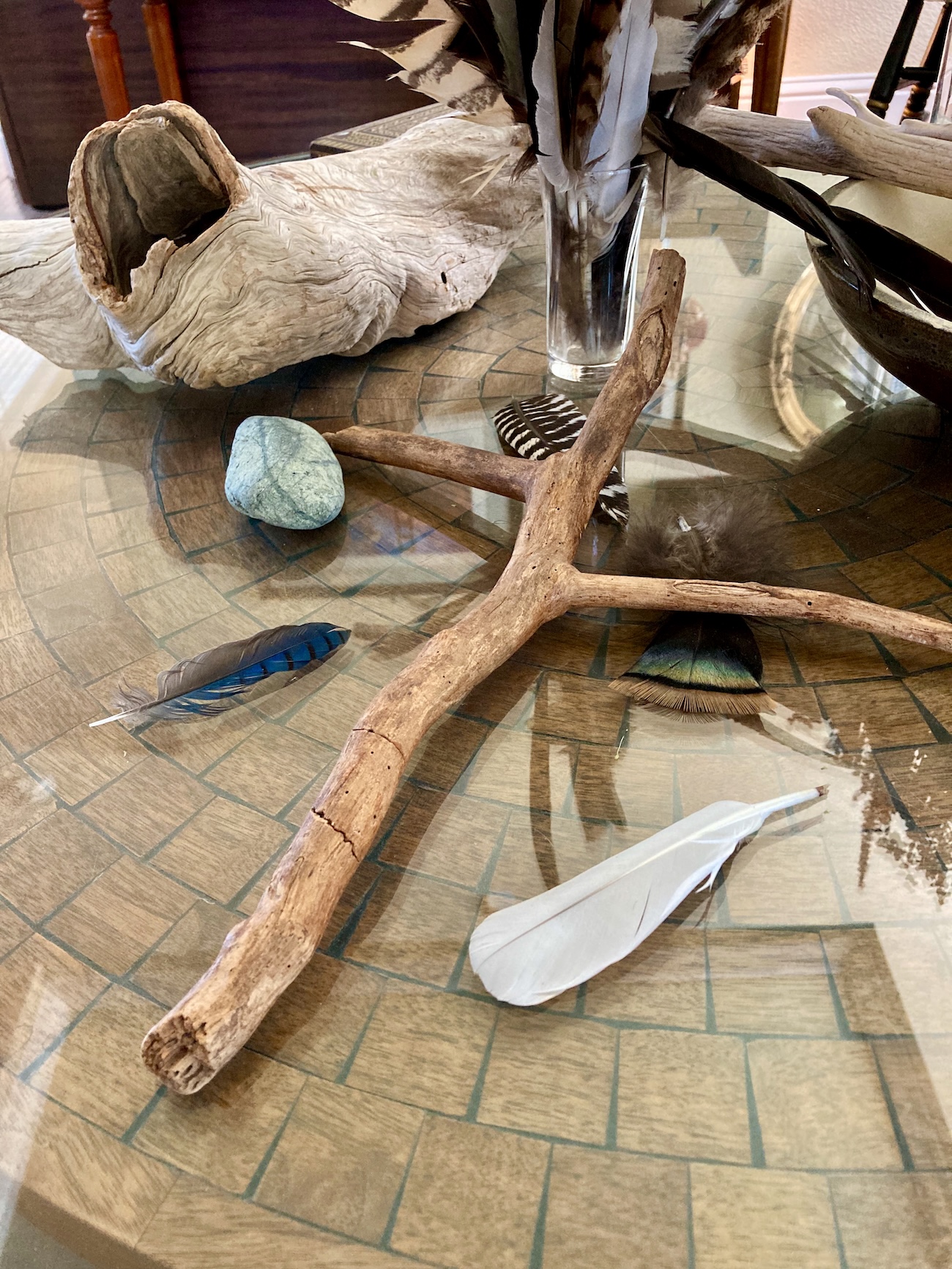
When I evacuated my farm the first night of the fires, one of the few items I took with me was a stick in the shape of a cross. I had found it on my hike to the hermitage outside of Assisi. In taking that wooden cross on that tremendous night, I carried a concrete reminder of the unique something that had once happened to me. Perhaps I knew whatever had happened in Assisi was something I needed to remember more than ever.
The encounter with nature through a firestorm left a different kind of mark. One that continued to burn deeper with each new devastating season of fire and smoke. I now see how the trauma of wildfires set kindling for what ignited in my nervous system after my Covid infection in 2021.
Before the fires, I had seen nature and my farm as a refuge. I found comfort in the land, the birds, my garden. But after the fires, a drive into a wooded area caused my heart to quicken and my chest to tighten. I had learned what I hadn’t wanted to know — nature, a beloved sibling in creation, is not benign. My relationship to the forests, the dry summer, the fall winds — these all had to be rebuilt. It took me almost four years to retrain my mind and body to reside again in a place of trust and safety.
A main portion of this retraining was acknowledging what author and historian Kate Bowler refers to as my “limited agency.” I came to greater acceptance that I wasn’t able to control or prevent all discomfort, pain, difficulty, or suffering. Through a variety of practices like meditation, somatic tracking, and exposure therapy, I learned to be present to all my emotions, including my discomfort and fear.
In my youthful hike through Assisi in 2000, I had encountered God in the beauty and serenity of nature which calmed my inner turmoil. In my middle age, I learned the practice of welcoming God to sit with me in the uncertainty and impermanence of the natural world. It is a different trust.
At twenty-four, subconsciously I believed that if I worked hard enough and “trusted” in God then life would unfold harmoniously. Now I am learning that trusting in God is trusting that God will be with me, in both the harmony and disharmony. I have moved toward accepting how little I can control, and I have found how much I can change my experience from within. Both can be true. At the intersection of what might seem opposites, at this meeting place of the cross, God is there.
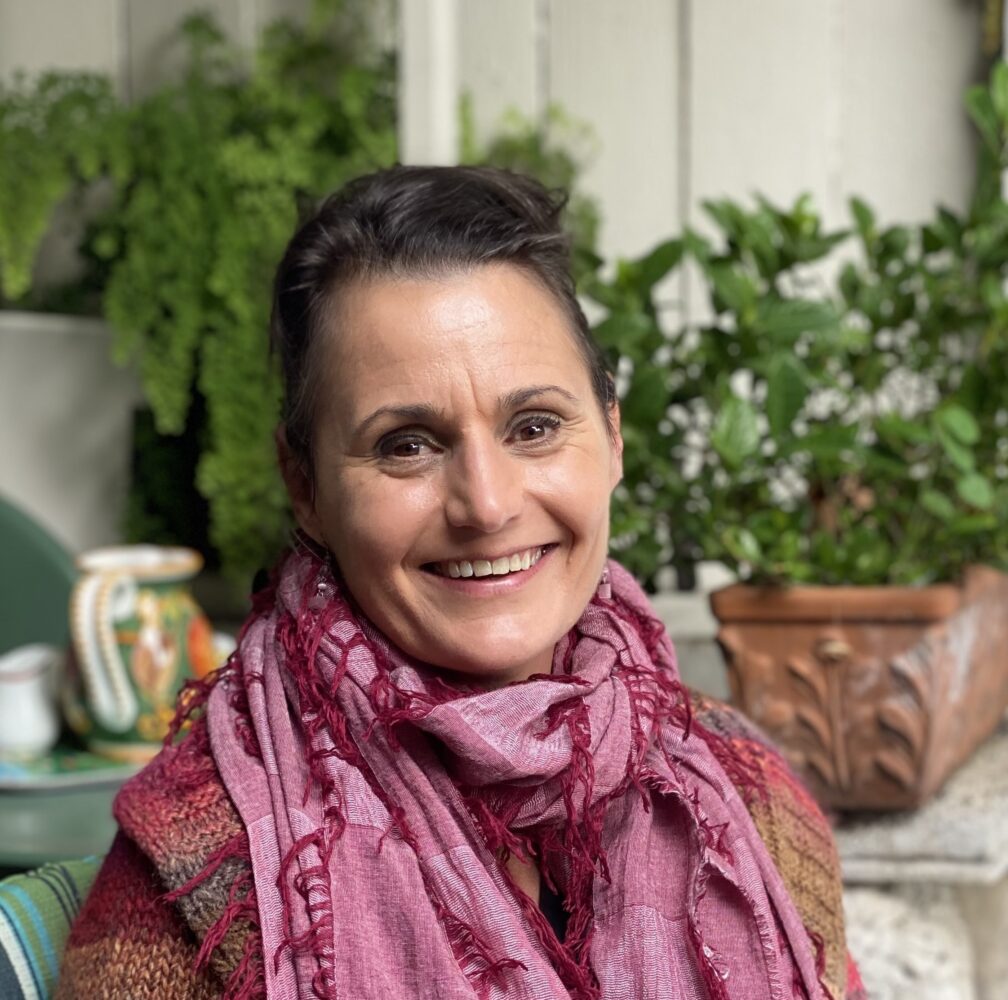
Natalie Gould is a coach, storyteller, and retreat leader who made a full recovery from a three-year debilitating illness, discovering what is possible even in situations that seem impossible. She is the author of the memoir Enough Feathers to Fly: Stories of a Farm and a Life Made Whole. She lives on a small farm in Northern California. SparrowCrowFarm.com